
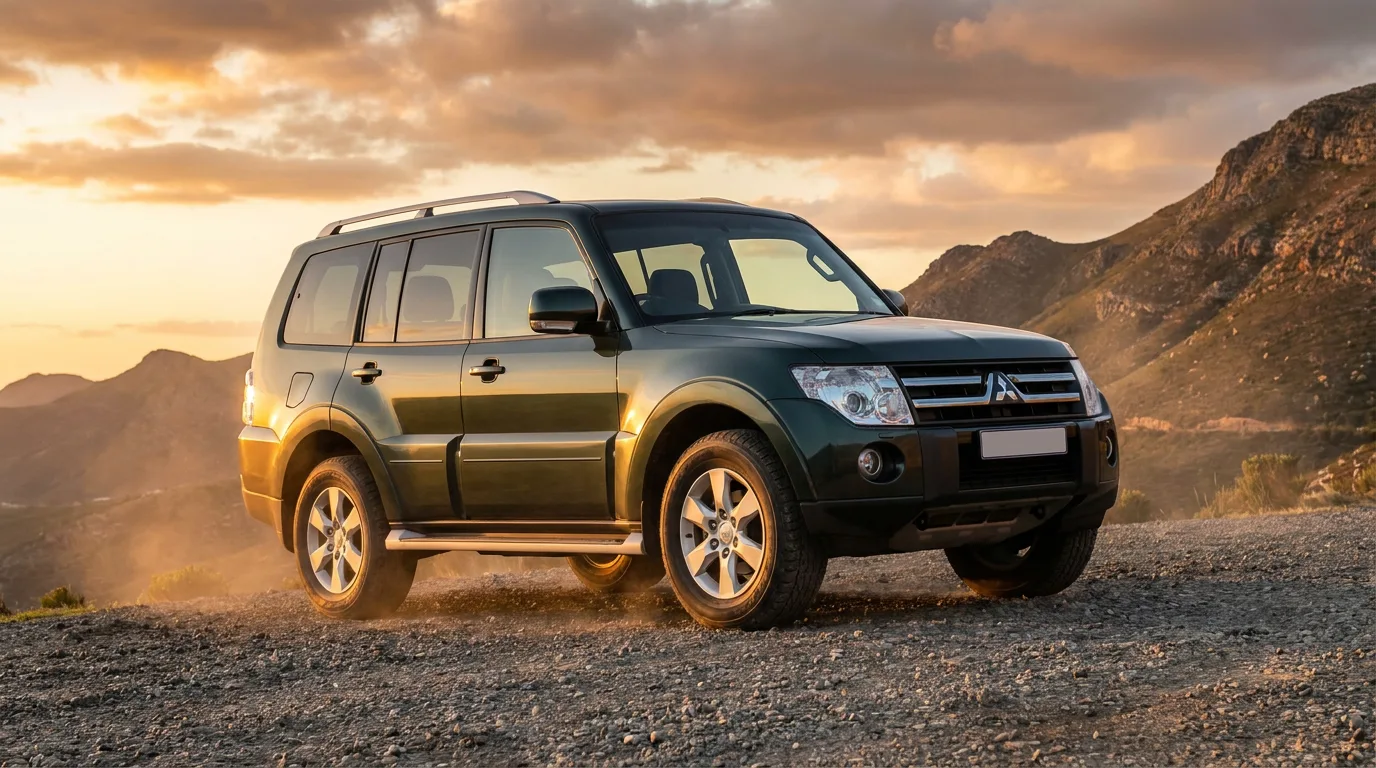
For years, owning a fourth-generation Mitsubishi Pajero in South Africa meant driving a discontinued legend. Since Mitsubishi wound the Pajero down locally, Gen 4 owners have quietly enjoyed one of the most capable, comfortable and underrated 4x4s on our roads, while wondering what it means for long-term value and support.
That question just got a lot more interesting. Mitsubishi has officially confirmed an all-new Pajero, with a global debut set for autumn 2026 and a return to the South African market locked in. So if you’re sitting on a Gen 4: a 3.2 DiD, a Legend, or one of the final Exceed and GLS editions, should you hold on, sell now, or start saving for the new one?
Here’s an honest, owner-first look at what the comeback actually changes.
What “Gen 4” means and why it still matters
The fourth-generation Pajero (the NS to NX series, roughly 2007 to its local run-out) was the last of the true monocoque-with-ladder-integration Pajeros, the body-on-frame-feel wagon that built the nameplate’s reputation across the Dakar, the Kalahari and every gravel pass in between. Powered here mainly by the 3.2-litre 4M41 turbodiesel, it offered permanent Super Select 4WD, genuine low-range ability, seven seats and a ride quality that still shames plenty of newer rivals.
That engineering pedigree is exactly why Gen 4 values have held up better than most discontinued models. It’s not just a used SUV. It’s an appreciating piece of off-road heritage in the right condition.
How the 2026 return affects your Pajero’s value
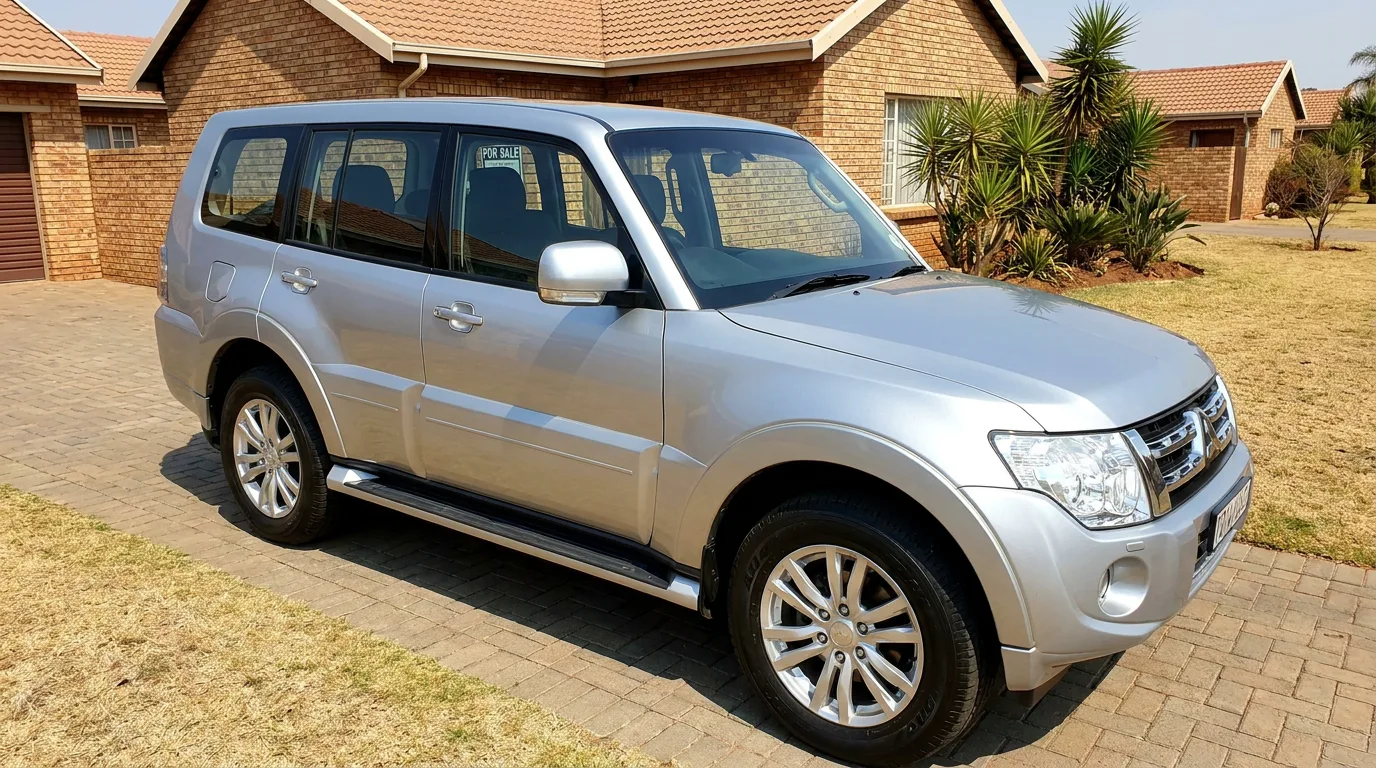
There are two opposing forces at play, and understanding both helps you time any decision.
On one hand, a new model can soften demand for the outgoing generation, as some buyers wait for the fresh product. On the other, a high-profile comeback reignites brand awareness and desirability, and that halo effect tends to lift clean examples of the outgoing icons, especially well-kept, full-service-history Legends and Final Editions that collectors and enthusiasts actively hunt.
For the South African used market, the practical picture looks like this:
- Clean, low-kilometre Gen 4s (2015–2021): typically holding strong in the mid-hundreds of thousands of rand. Renewed Pajero buzz supports these values through launch.
- Higher-mileage, well-maintained examples (2010–2014), steady, driven more by condition and service history than by news cycles.
- Neglected or high-kilometre cars. The comeback won’t rescue these; buyers still pay for provenance, not badges.
The takeaway: the news is broadly positive to neutral for good examples. It’s not a reason to panic-sell.
The parts and support question
This is where owners worry most, and it’s fair. A discontinued model raises understandable concerns about spares and dealer support. The good news is that the 3.2 DiD Pajero shares a huge parts ecosystem, has a strong local specialist and 4×4 aftermarket community, and remains extremely well supported by independent workshops. A brand actively returning to the market also has every commercial reason to keep its loyal existing owners happy, continuity of servicing and goodwill matters when you’re trying to sell them the next Pajero.
In short: keeping a Gen 4 on the road remains very realistic for years to come, particularly if you build a relationship with a trusted Pajero specialist and keep ahead of the known maintenance items.
Should you hold, sell or upgrade? A simple framework
Every owner’s situation is different, but here’s how to think it through.
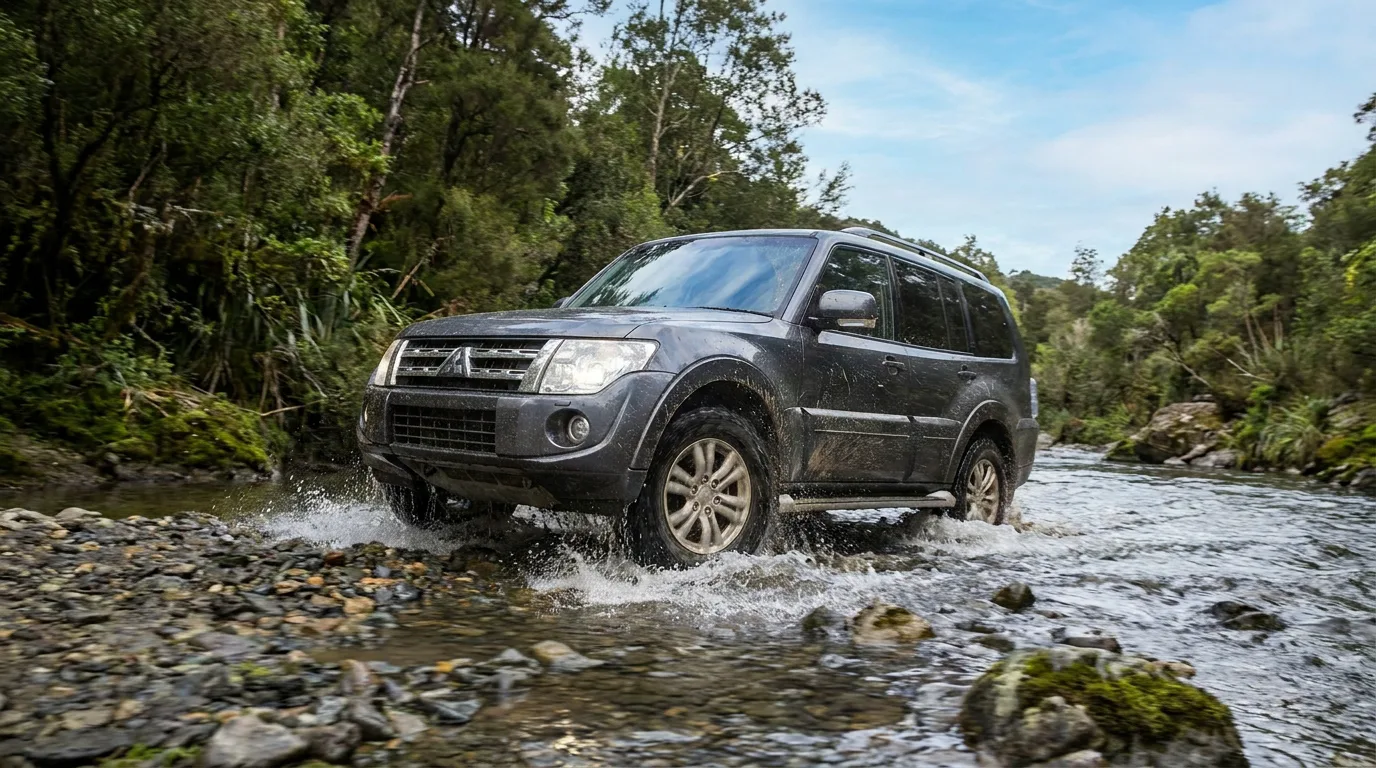
Hold onto it if: your Pajero is in good health, you love how it drives, and you use its off-road ability. There is no compelling financial reason to sell into the run-up to a new launch, and a sorted Gen 4 is a known, capable quantity that owes you very little.
Sell now if: you were already planning to move it on, it’s a genuinely clean example with full history, and you’d rather capture today’s firm values while comeback interest is high. Then bridge to the new model or an alternative.
Upgrade later if: you want the newest technology. The 2026 Pajero rides on the Triton ladder-frame platform with a diesel powertrain and future hybrid/PHEV plans, a very different, more modern proposition. Waiting for local pricing and reviews before committing is the sensible play, and your Gen 4 makes a perfectly good daily in the meantime.
Protecting your Pajero’s value before the new one lands
Whatever you decide, a few moves protect your resale position in the months ahead:
Keep every service record and receipt together, because provenance is what separates a strong sale from a haggle. Address the well-known Gen 4 maintenance items proactively so your car presents as cared-for. Keep the paint, interior and tyres tidy: first impressions still set the price. And if you do plan to sell, list before the market is flooded with trade-ins once the new model arrives.
The bottom line for Gen 4 owners
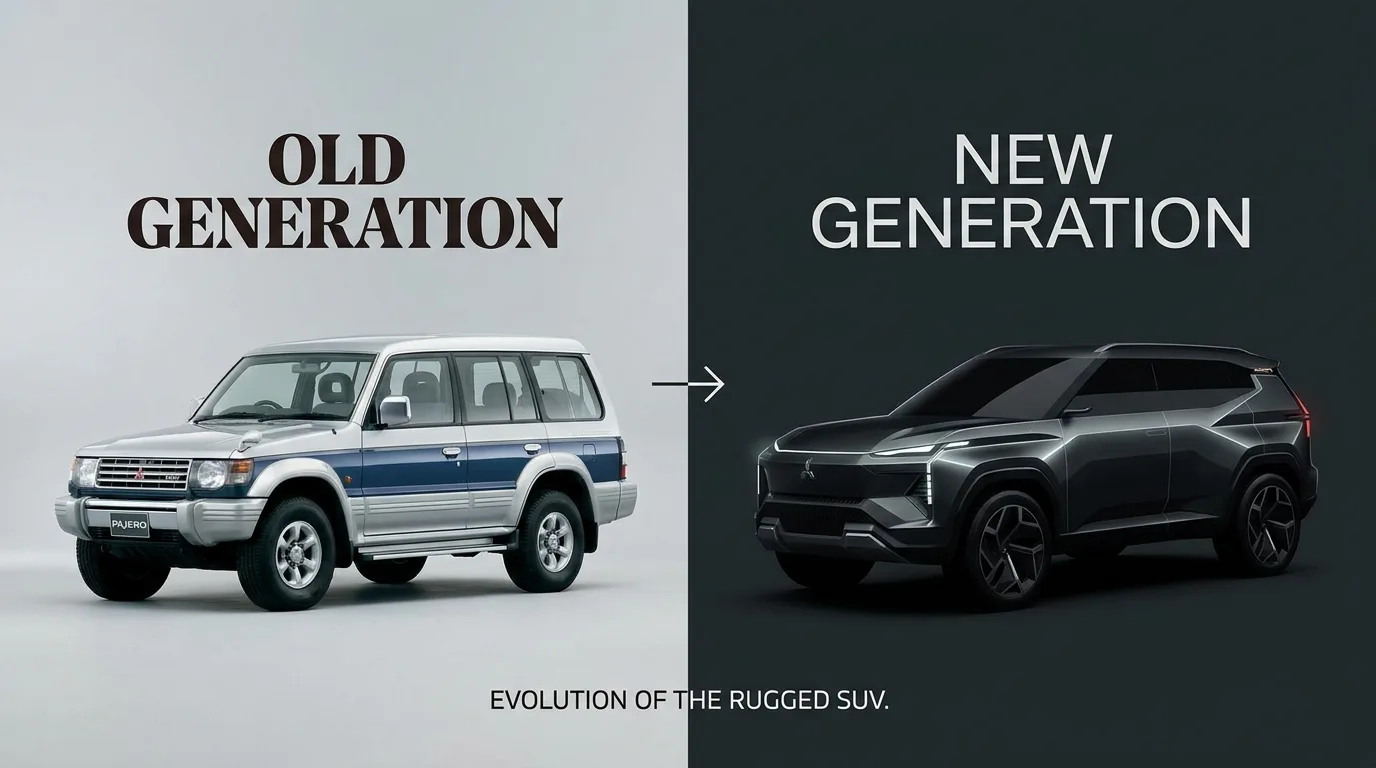
The Pajero’s return is the best news the nameplate has had in years, and for existing owners it’s reassuring rather than threatening. A well-kept Gen 4 remains a desirable, supportable and value-stable 4×4, arguably more desirable now that the world is talking about Pajeros again. Hold it with confidence, sell it strategically if you were always going to, and keep an eye on 2026 pricing before deciding whether the new flagship deserves a spot in your garage.
Either way, you already own a legend. The comeback just proved it.
Do you own a Gen 4 Pajero? Tell us your mileage, model year and whether you’re holding or upgrading, and keep an eye on our Pajero of the Month feature for the cleanest examples on the road, and follow Pajero 4×4 Life on Facebook to join the conversation.
Frequently asked questions
Is a Gen 4 Mitsubishi Pajero still worth buying or keeping in 2026?
Yes. A well-maintained Gen 4 with full service history remains a capable, well-supported 4×4, and the confirmed 2026 Pajero comeback has renewed interest in the nameplate, which tends to support values of clean examples rather than hurt them.
Will the new 2026 Pajero make my Gen 4 worthless?
No. A new model can soften demand slightly, but a high-profile return also boosts desirability. Condition, mileage and service history drive Gen 4 values far more than the launch of a new generation.
Can I still get parts and service for a Gen 4 Pajero in South Africa?
Yes. The 3.2 DiD shares a large parts ecosystem and enjoys strong support from independent 4×4 specialists and the aftermarket, so keeping one on the road remains realistic for years.